When Everyday Life Feels Hard to Keep Up With
It’s a new day — maybe a new week. You tell yourself, ‘Okay, I can do this.’ But your body already knows otherwise: tension in your shoulders, restless energy in your stomach, a brain moving faster than you can keep up.
You are not broken. You’re navigating life with a brain that doesn’t always fit the world’s expectations.
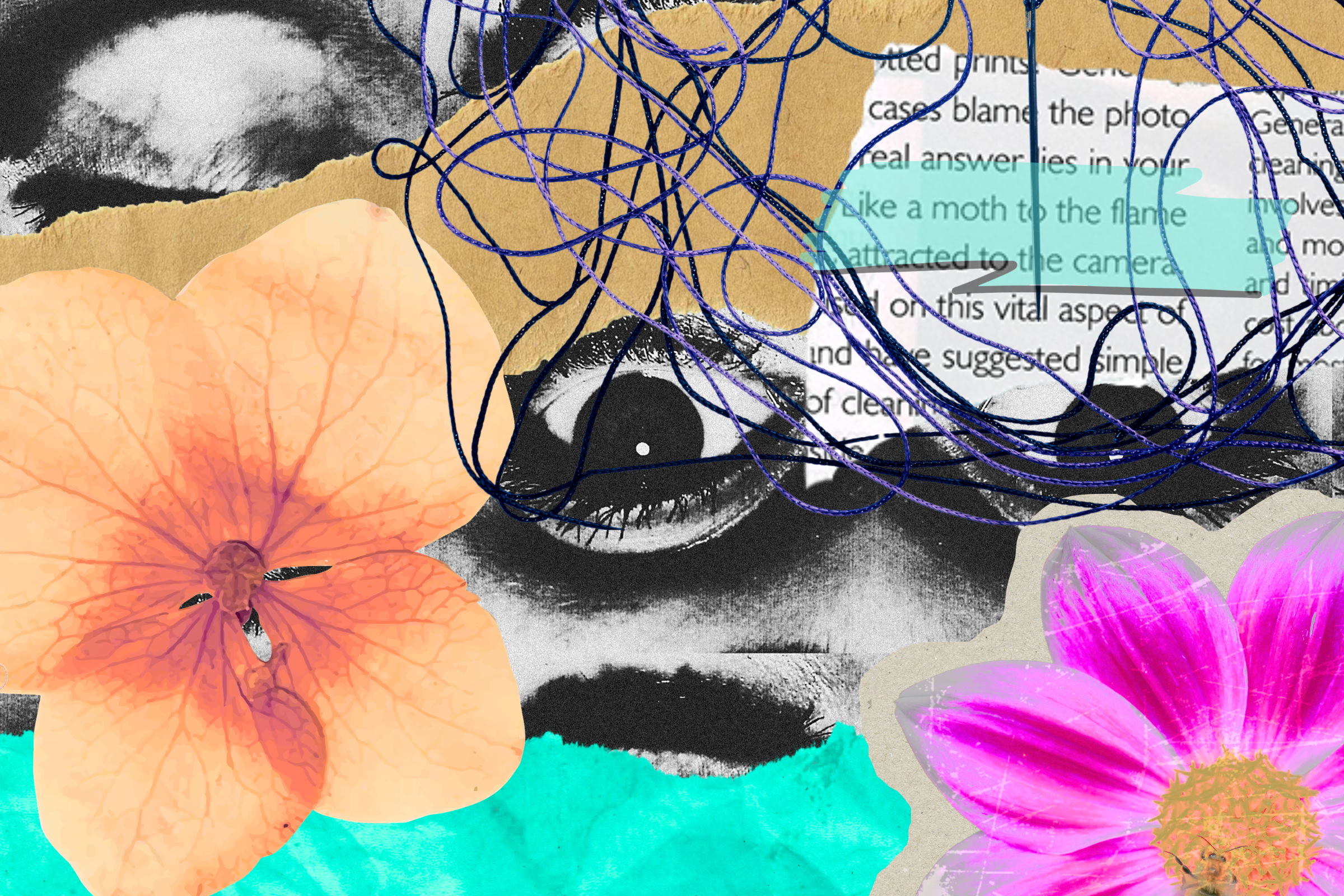
Recognizing Hidden Costs
Being tired is one thing. Burnout is another. Burnout runs deeper than fatigue — it creeps into the way you see yourself and the way you navigate your life.
For years, you’ve been adapting, masking, and performing to meet expectations that don’t match your natural flow. That mask may have kept you safe, but it’s heavy — draining your energy and silencing parts of you that need to be seen.
But it’s heavy. It drains you. It forces you to shrink and silences the parts of you that need to be seen. For many neurodivergent adults, burnout isn’t just exhaustion — it’s the cost of years spent performing normalcy.
You might be thinking, “Everything was fine until now.” Maybe it felt true — until life shifted, energy changed, or responsibilities grew.
Suddenly, the mask feels heavier. And glimpses of freedom — the idea of being yourself without performing — feel irresistible, and also terrifying.
What if you could let go of irritability and exhaustion and, in return, receive more joy?
You don’t have to do it alone. You deserve to be supported while creating a life that fits you. This is especially true for autistic and ADHD women, who often carry extra layers of exhaustion from masking and over-functioning.
A New Lens: Expressive Arts & Awareness
So what could that joy look like? If you’re waking up to the realization that your current approach to life isn’t working, know this: it’s not your fault. You’ve been doing your best with the tools you were given — and now those tools aren’t enough. It’s time for a change.
Change can be scary. But change that respects your natural flow can also be transformative. This is where expressive arts for self-discovery comes in.
Expressive arts therapy isn’t about performing correctly — it’s about exploring creative ways to manage sensory overwhelm, regulate energy, and express what your nervous system actually needs. It’s about exploring creative ways to manage stress, connect with your body, and express your inner self authentically. It’s intermodal: you might move, draw, write, make sound, create ritual, or even try a bit of drama — alone or in combination. The goal is to give your inner experience a voice beyond words.
Think of expressive arts as a language that speaks to your intuition and senses. Your body holds signals about what you need, and creative expression gives you a safe, personal way to respond.
Patterns are Stubborn
Patterns in your life are stubborn, but noticing them is a nudge toward freedom. Maybe you notice yourself overextending, ignoring sensory or energy cues, or performing to meet others’ expectations. Through creative exploration, you learn to trust your body and your brain’s signals and discover new ways to fulfill your needs without judgment.
Once you see the possibilities, how do you start? That’s where micro-steps come in.
Practical Micro-Steps: Start Where You Are
If this is sparking something inside you, but you’re unsure where to start, you’re not alone. You may never have been encouraged to be creative, and that’s okay. Expressive arts isn’t about perfection. It’s about pausing, noticing, and giving your inner voice space to speak.
Try this: Pause, notice, and respond to what your brain and body are telling you. Even small creative experiments — moving, making sound, drawing, journaling — help you reconnect with your nervous system and your authentic self.
Play and explore. Try different forms and see what feels right to your nervous system: if you started moving, try sound. If you started drawing, try journaling. Let your inner buzz guide you.
Tiny Nudges Make a Difference
These exercises are tiny doorways to self-awareness. They teach you to notice patterns, regulate your emotions, and respond to your body’s signals. You don’t need a full life overhaul. Micro-steps ripple outward more sustainably than dramatic leaps.
Reframing & Permission
You may be asking, “They can manage, why can’t I?” Or thinking, “I can’t rest until I finish X, Y, Z.”
I know. I’ve been there. And here’s why your brain fights rest: it’s wired for hyper-productivity, reinforced by years of masking or over-functioning. But rest isn’t indulgence — it’s survival.
Your brain may push you to keep going, to meet every expectation, to stay masked. But you are not broken. Pausing lets you reconnect to what truly matters — your needs, your energy, your way of being in the world.
You can bring joy, creativity, and rest back into your life. Your discomfort is a compass, not a verdict.
Your Path at a Crossroads
Think of this as a path at a crossroads. You don’t have to turn your world upside down — just take one small step toward what feels right. If you’re not sure where to go, reach out to me to book a consultation. I’ll help you decide the next best step for you.
Final Reflection
You don’t have to fix yourself to feel better. You can start by noticing what’s heavy and letting one small thing be easier today.
Rest isn’t earned — it’s allowed.
If you’re a neurodivergent adult looking for support that honors your wiring, you’re welcome to reach out.
Want more ND‑affirming posts like this? Join the mailing list to get new articles and updates.
