
Expressive Arts Therapy FAQs for Neurodivergent Adults in Oregon
Answers to Common Questions About Telehealth Expressive Arts Therapy
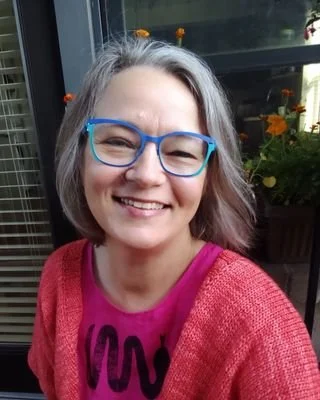
Lisa Headings, MA, NCC
Expressive Arts Therapist and Registered Associate Counselor in Portland, Oregon (R9511)
Supervised by Dr. Lisa Aasheim, Ph.D
Finding a therapist comes with more questions than most people expect, especially when you’re trying to figure out whether someone’s approach will actually work for the way your mind and nervous system function.
I’m Lisa, and these FAQs are here to help you get a clearer sense of what expressive arts therapy looks like and whether it might be a good fit for you.
If you’re exploring expressive arts therapy and want a clearer sense of how it works, the FAQs below can help.
And if you’re in Oregon and considering starting therapy, you’re welcome to book a free 20‑minute consultation.
-
I work with late‑diagnosed and self‑suspecting neurodivergent adults, often autistic, ADHD, or AuDHD, who are navigating masking, burnout, identity shifts, and chronic overwhelm. While many of my clients identify as women, therapy is open to adults of all genders.
-
Expressive arts therapy uses creativity (movement, writing, sound, color, and imagery) to help you explore emotions and experiences that are hard to put into words. It’s not about being artistic or making something beautiful. It’s about giving your nervous system another way to communicate.
-
I’m a private‑pay practice, which means I don’t bill insurance directly.
Many of my clients choose private pay because it allows us to work together without the limits or required diagnoses that insurance companies often impose.
I’m a private‑pay practice, which means I don’t bill insurance directly.
Many of my clients choose private pay because it allows us to work together without the limits or required diagnoses that insurance companies often impose.
If you’re used to using insurance, that’s completely understandable and sometimes people find that the flexibility and privacy of private pay feels worth it once we talk through what therapy can look like. I’m happy to explain how this works during your consultation so you can decide what feels right for you.
-
Your first session is about getting comfortable. We’ll talk about what’s been feeling heavy or stuck, and I’ll introduce gentle creative approaches that fit your comfort level. You don’t have to know what to say or do. We’ll find the pace together.
-
There’s no set timeline. Some people come for a few months; others stay longer as they continue to grow and heal. We’ll check in regularly to make sure the process feels supportive and aligned with your goals.
-
Yes. What you share in therapy is private and protected by law. There are a few specific situations where I’m required to break confidentiality to support safety (for example, if there is serious risk of harm), and if that ever comes up, I’ll explain clearly what needs to happen and why so you’re not left guessing.
-
That’s completely normal. Many people feel anxious before their first session. You don’t have to prepare or perform. Just show up as you are. We’ll start with simple grounding and conversation so you can ease in at a pace that feels manageable.
-
I start all new clients with weekly sessions. That rhythm helps build trust, consistency, and momentum, especially early on, when your nervous system is adjusting to the process.
After we’ve worked together for a while, we can revisit scheduling if your needs change. Occasionally, I accommodate special circumstances (like rotating work schedules), but weekly sessions are the foundation that supports meaningful progress.
-
You can book a free 20‑minute consultation to see if expressive arts therapy feels right for you. We’ll talk about what’s been going on and what kind of support might help. If I’m not the right fit, I’ll connect you with someone who is.
Ready to explore a different kind of therapy?
Schedule your free 20‑minute consultation and see if this approach fits how your brain actually works.
No pressure. Just a conversation to see whether this makes sense for you.